British Citizenship Advisors in Midlands
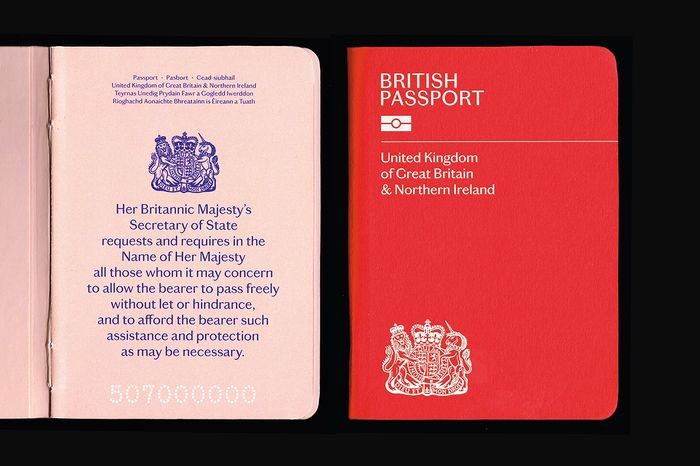
The Final Step — Become British
For many people, British citizenship is the final and most meaningful stage of a long immigration journey. After years of studying, working, building a family life, or securing settlement in the UK, becoming a British citizen gives you permanent recognition of your place in the country and the right to apply for a British passport.
At PC Law Chambers, we understand that a citizenship application is not just an administrative formality. It is an important legal step that can affect your long-term future, your family, and your security in the UK, which is why we take care to identify the correct route, review your eligibility, and prepare the strongest possible application before submission.
The correct route to UK citizenship depends on your age, immigration history, family background, and whether you are applying as an adult, as the spouse of a British citizen, on behalf of a child, or through a British parent. To make the process easier to understand, we bring the four main citizenship routes together on one page so you can quickly identify the route that may apply to you.
How We Help with British Citizenship
Our role is to make the citizenship process clearer, more accurate, and less stressful from the beginning. We provide tailored advice on eligibility, residence requirements, absences, supporting documents, timing, and the correct legal basis for the application, helping clients avoid common mistakes that can lead to delay or refusal.
Depending on your circumstances, our British citizenship lawyers can help with:
- Assessing whether you qualify for British citizenship or UK citizenship.
- Advising on citizenship by naturalisation UK routes and general naturalisation requirements.
- Preparing and reviewing your British citizenship application and supporting documents.
- Advising on British citizenship by marriage and spouse-based eligibility.
- Supporting parents with child registration as a British citizen.
- Reviewing claims for British citizenship by descent through a British parent.
- Advising on next steps where citizenship is refused or where there are concerns about eligibility, absences, or good character.
British Citizenship by Naturalisation
Applying after ILR or settled status
British citizenship by naturalisation is the most common route for adults who have already obtained Indefinite Leave to Remain, settled status, or indefinite leave to enter and now want to complete the final step to citizenship. Applicants on the standard route usually need to have lived in the UK for at least 5 years and held ILR or settled status for at least 12 months before applying.
Issues such as absences from the UK, timing after ILR, previous immigration breaches, and incomplete evidence can create problems, which is why many clients seek advice before submitting.
General Requirements for Naturalisation
- You are aged 18 or over.
- You hold ILR, settled status, or indefinite leave to enter.
- You have usually lived in the UK for at least 5 years.
- You meet the relevant residence and absence requirements.
- You have passed the Life in the UK Test.
- You meet the English language requirement.
- You satisfy the good character requirement.
British Citizenship by Marriage
Applying as the spouse of a British citizen
British citizenship by marriage usually refers to the naturalisation route for someone married to, or in a civil partnership with, a British citizen. Applicants generally need to have lived in the UK for the last 3 years, hold ILR or settled status, and meet the residence, English language, Life in the UK, and good character requirements — without needing to wait 12 months after settlement.
General Requirements for Citizenship by Marriage
- You are married to, or in a civil partnership with, a British citizen.
- You hold ILR or settled status.
- You have usually lived in the UK for at least 3 years.
- You meet the residence and absence requirements.
- You meet the English language requirement.
- You have passed the Life in the UK Test.
- You satisfy the good character requirement.
Child Registration as a British Citizen
Citizenship applications for children
Not every child born in the UK automatically becomes British, and children born outside the UK may still be eligible in certain circumstances. Child registration as a British citizen is usually based on registration rather than adult naturalisation, and the correct basis depends on the child's date of birth, place of birth, the parents' nationality or immigration status, and in some cases the child's residence in the UK.
General Requirements for Child Registration
- The child's full birth details and nationality history.
- Evidence of the parents' British citizenship or immigration status.
- Proof of the child's residence in the UK, where relevant.
- The correct registration route based on the child's age and circumstances.
- Supporting documents that show why the child qualifies to register.
British Citizenship by Descent
Establishing citizenship through a British parent
British citizenship by descent may be relevant where a person has a British parent and wants to establish whether they are already British or may be eligible to apply for citizenship. This route can be especially important for applicants born outside the UK who need to understand whether British nationality passed automatically or whether a registration route applies instead.
General Requirements for Citizenship by Descent
- Proof that one parent is or was a British citizen.
- Birth certificates and family relationship documents.
- Evidence showing where and when the applicant was born.
- Records showing how British nationality passed, or may have passed, through the parent.
- Additional supporting documents where the case depends on older nationality rules or overseas birth.
Common British Citizenship Issues
Applying for British citizenship can raise legal questions that go well beyond completing a form. At PC Law Chambers, we regularly advise clients on:
- Excess absences and whether they fall within permitted limits for their route
- Timing of the application after settlement and which form of settled status qualifies
- Identifying the correct citizenship route where family or nationality history is complex
- Child registration where a parent's citizenship status affects eligibility
- Citizenship by descent for children or adults with a British parent born outside the UK
- Previous refusals and what a stronger reapplication requires
- Good character concerns including convictions, cautions, or civil penalties
- Conflicting online guidance that does not clearly reflect how British nationality law applies
These cases often need more than a standard form-filling service. As experienced British citizenship solicitors in Wolverhampton, we provide honest, practical advice based on the facts of your case and the correct provisions of British nationality law.
Frequently Asked Questions
What are the main ways to become a British citizen?
Common routes include naturalisation, citizenship by marriage to a British citizen, registering a child, and citizenship by descent from a British parent. We look at your status and family background to identify the best route for you.
How is British citizenship by naturalisation different from citizenship by marriage?
Naturalisation is usually based on holding Indefinite Leave to Remain and meeting standard residence, language and good-character rules. Citizenship by marriage uses similar tests but slightly different residence and absence limits for spouses of British citizens.
What are the basic requirements for British citizenship by naturalisation?
You normally need Indefinite Leave to Remain (or an equivalent status), a qualifying period of residence with limited absences, and to pass the language and Life in the UK tests. We check your travel history and records to confirm if you meet the rules before you apply.
How does British citizenship by marriage work?
If you are married to a British citizen and hold Indefinite Leave to Remain, you may qualify to apply after a shorter residence period. We explain how your visa history fits into the marriage route and when you can safely submit an application.
Can my child be registered as a British citizen?
Many children can be registered if they are born in the UK to parents who later become settled or British, or if they have a British parent while born abroad in certain cases. We assess your child's situation and advise on the right form, evidence and timing.
What is British citizenship by descent?
Citizenship by descent usually applies when a person has a British parent and can inherit citizenship through one generation born outside the UK. We review your family documents to confirm if you qualify this way or need another route.
Do my absences from the UK affect my British citizenship application?
Yes. Both naturalisation and citizenship by marriage have strict limits on days spent outside the UK during the qualifying period. We help you calculate your absences and decide whether you meet the rules now or should wait.
What can I do if my British citizenship application is refused?
Refusals usually relate to residence, good character, or missing or unclear evidence, and the decision letter will explain the reasons. We review the refusal, advise on your options, and help you prepare a stronger application or challenge.